Assisted reproduction refers to medical support for couples experiencing difficulties conceiving naturally. Modern reproductive medicine helps overcome a wide range of infertility causes and brings hope even in the most complex cases.
Assisted reproduction procedures may include:
- Intrauterine insemination (IUI)
- In vitro fertilization (IVF)
- Intracytoplasmic sperm injection (ICSI)
- Donor eggs, sperm, or embryos
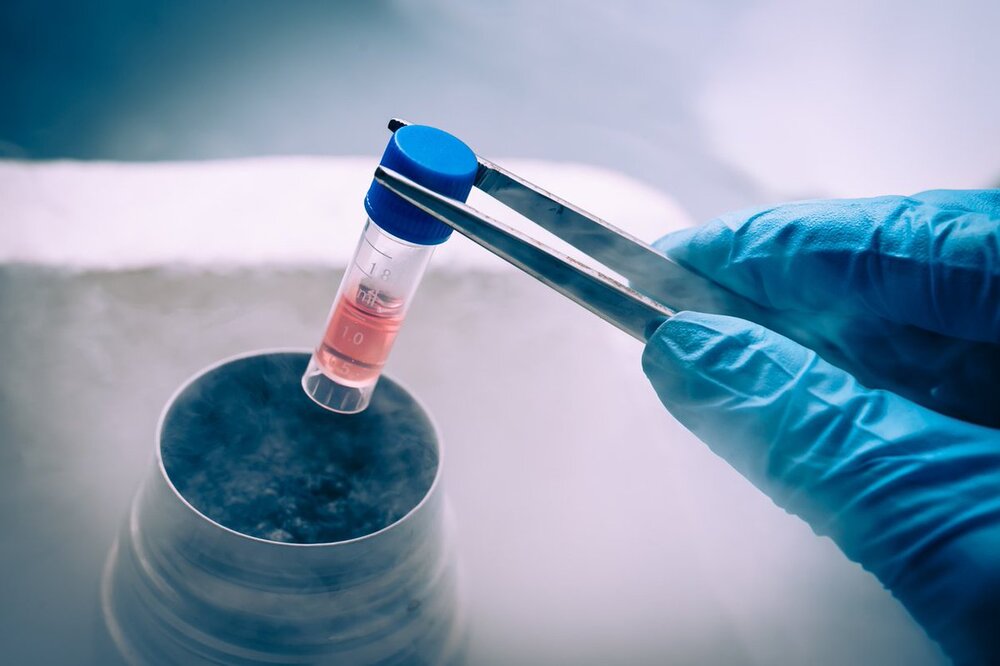
- Embryo freezing and later transfer
Statistics
Infertility affects around 15% of couples worldwide. Fortunately, success rates for assisted reproduction are steadily improving. For example, with IVF, the average chance of pregnancy per cycle can reach up to 60%, depending on the woman’s age, hormone levels, overall health, and of course, the expertise of the fertility specialist.
Where to Begin?
If pregnancy has not occurred after one year of trying (or six months if the woman is over 35), it is time to consult fertility specialists. The first step involves a thorough consultation and assessment to identify potential causes of infertility in both partners and to discuss possible treatment options.
It’s important to understand that assisted reproduction is considered only when a diagnosis of infertility is confirmed, and other treatment methods have been ineffective or unsuitable for the individual case.
At our fertility center, each situation is assessed individually, and decisions are made together — with professionalism and hope.