In Vitro Fertilization (IVF)
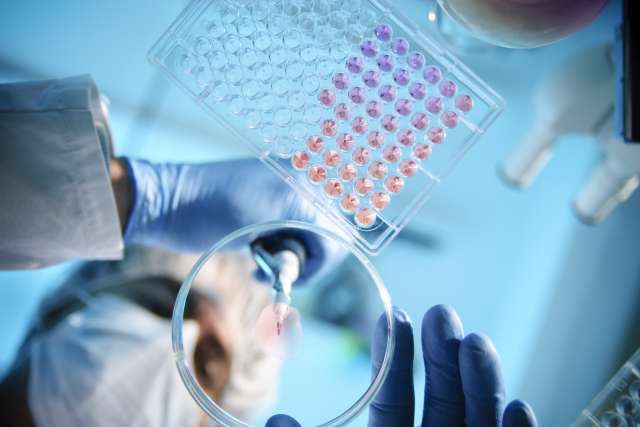
In Vitro Fertilization (IVF) is a procedure in which eggs are fertilized in a laboratory rather than inside the body. The process involves several steps, known as a treatment cycle, to achieve pregnancy: consultation, semen analysis, ovarian stimulation, egg retrieval, fertilization in vitro, embryo transfer, and pregnancy testing.
IVF is recommended when fallopian tubes are blocked, sperm quality is low, or infertility has no clear cause. For treatment to be successful, the woman must produce eggs, have a healthy uterus, and both partners must be free from infectious diseases.
The IVF Process
- Ovarian stimulation – daily hormone injections help the ovaries produce multiple eggs.
- Egg retrieval – eggs are collected under anesthesia using ultrasound guidance.
- Fertilization – eggs are combined with sperm in the lab and monitored for fertilization.
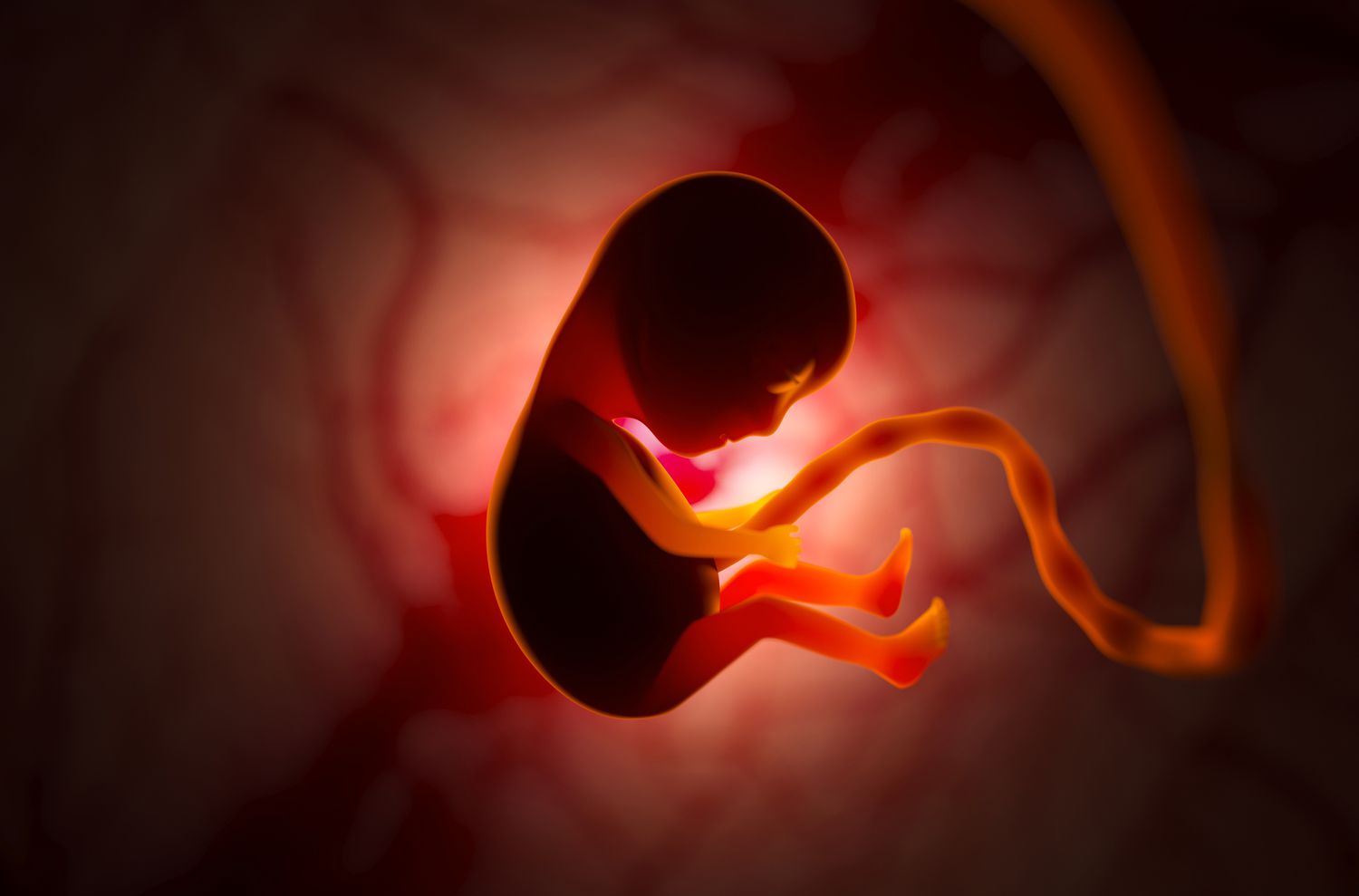
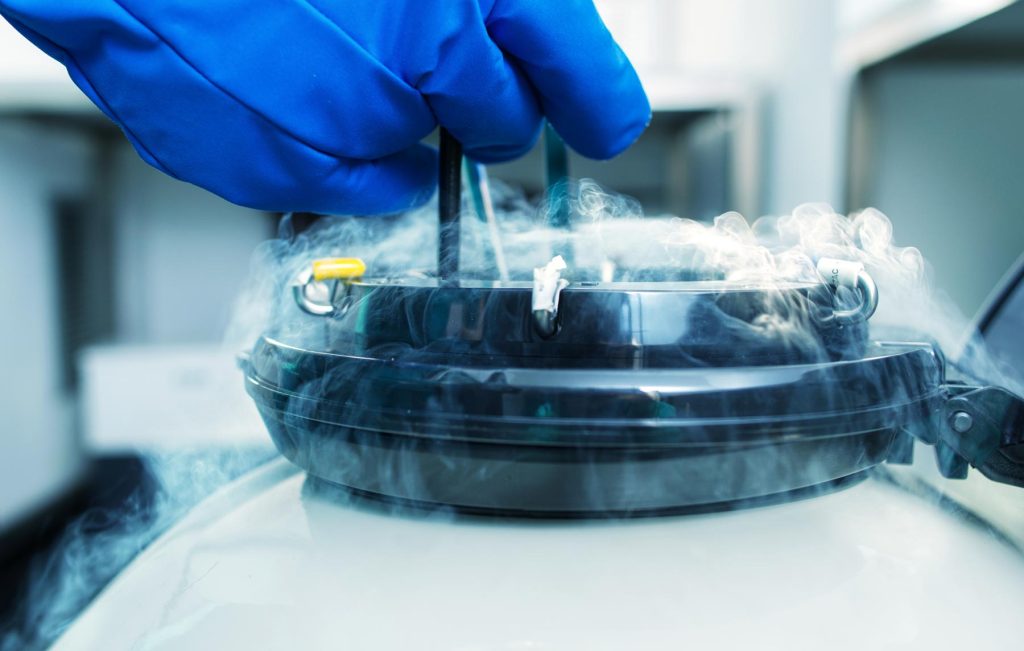
- Embryo transfer – after 2–5 days, usually two embryos are transferred to the uterus; remaining embryos may be frozen.
- Pregnancy test – taken 14 days later, followed by ultrasound to confirm embryo implantation.
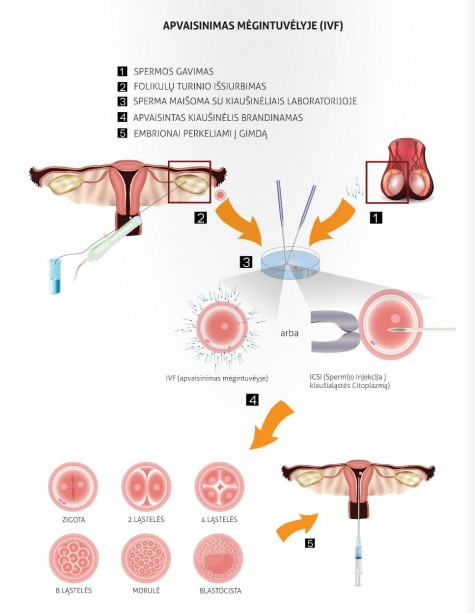
ICSI (Intracytoplasmic Sperm Injection)
ICSI is an advanced technique used with IVF to treat severe male infertility. A single sperm is injected directly into an egg using a microscopic needle. It is recommended for men with very low sperm count, poor sperm motility, abnormal sperm morphology, or when sperm must be retrieved surgically.
Although fertilization rates with ICSI are higher than standard IVF, overall pregnancy and live birth rates are similar.